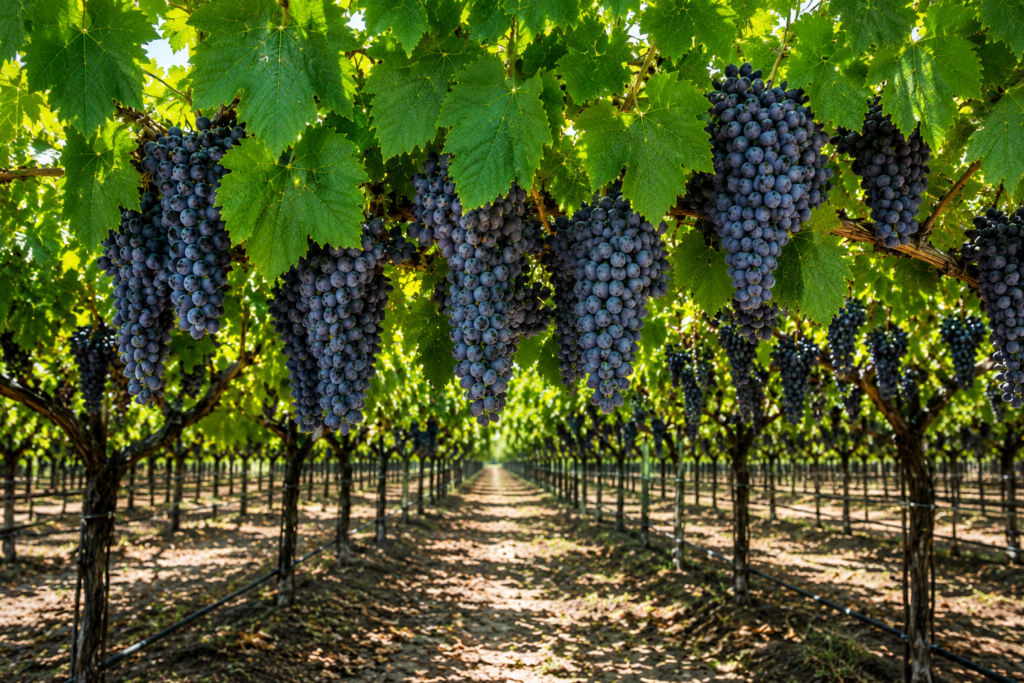
The Art of Whiskey – A Journey from Grain to Glass
Whiskey is not merely a drink—it is a timeless expression of craftsmanship, patience, and heritage. Every bottle carries within it a journey that begins in fertile fields and culminates in a glass filled with rich, amber elegance. For centuries, whiskey has been associated with sophistication and celebration, earning its place as one of the most respected and cherished spirits in the world.
To truly appreciate whiskey is to understand its journey—from the humble grain to the refined spirit. It is a process guided by expertise, shaped by time, and perfected through dedication. Each step contributes to the depth, complexity, and character that define a premium whiskey.
🌾 The Foundation: Selecting the Finest Grains
The journey of whiskey begins with its most essential ingredient—grain. Whether it is barley, corn, rye, or wheat, each grain brings a unique personality to the final spirit.
Barley is often associated with richness and depth, offering a slightly nutty and malty character. Corn contributes a smooth sweetness, making the whiskey more approachable and mellow. Rye introduces a bold, spicy edge that adds complexity, while wheat creates a softer, more delicate profile.
Master distillers carefully select and blend these grains to craft a signature taste. This process is both scientific and artistic. Much like a composer creating a symphony, the distiller balances different notes to achieve harmony. The choice of grain is not just about flavor—it is about identity.
🔥 Malting and Mashing: Unlocking Flavor Potential
Once the grains are selected, they undergo a process called malting. During this stage, grains are soaked in water and allowed to germinate. This activates natural enzymes that convert starch into fermentable sugars.
After germination, the grains are dried. In some cases, they are exposed to smoke, which can impart subtle smoky flavors—a characteristic often associated with certain styles of whiskey.
The malted grains are then ground into a coarse powder and mixed with hot water to create a mash. This process extracts the sugars, forming a sweet liquid known as wort.
This stage is crucial because it lays the groundwork for the flavors that will develop later. The temperature, timing, and technique used during mashing can significantly influence the final profile of the whiskey.
🍶 Fermentation: Where Character Comes to Life
Fermentation is the stage where the magic truly begins. Yeast is added to the wort, converting sugars into alcohol. But beyond alcohol production, yeast plays a vital role in shaping flavor.
During fermentation, a wide range of compounds are created—fruity esters, subtle spices, and earthy undertones. The duration and conditions of fermentation can dramatically impact the final taste.
This stage transforms a simple sugary liquid into a complex, aromatic base. It is here that the personality of the whiskey begins to emerge.
🏺 Distillation: Refining the Spirit
Distillation is the process of purifying and concentrating the alcohol. The fermented liquid is heated, and the alcohol vapors are collected and condensed into a stronger spirit.
Copper stills are often used because they interact with the spirit, removing impurities and enhancing smoothness. The shape and size of the still can also influence the final flavor.
Distillers carefully separate the spirit into different parts—the heads, the heart, and the tails. Only the heart is used for aging, as it contains the purest and most desirable flavors.
This stage requires precision and expertise. It is not just about creating alcohol—it is about refining it into something exceptional.
🪵 Aging: The Transformation of Time
Perhaps the most defining stage of whiskey-making is aging. The distilled spirit is placed in wooden barrels, usually made of oak, where it matures over time.
The interaction between the spirit and the wood is what gives whiskey its depth and complexity. As it ages, the whiskey absorbs flavors from the barrel—notes of vanilla, caramel, spice, and even hints of chocolate or dried fruit.
Temperature changes cause the whiskey to expand and contract within the barrel, allowing it to interact deeply with the wood. Over years, this process transforms the spirit into something rich, smooth, and refined.
Time is a key ingredient in whiskey. The longer it ages, the more character it develops. However, aging is not just about duration—it is about balance. Master blenders ensure that the whiskey reaches its peak at the right moment.
🥃 The Sensory Experience
Whiskey is meant to be experienced with all the senses. Its color, aroma, taste, and finish all contribute to its appeal.
The color reveals its journey through the barrel, ranging from light gold to deep amber. The aroma offers a preview of its complexity—sweet, spicy, fruity, or smoky.
The taste unfolds in layers, delivering a combination of flavors that evolve on the palate. Finally, the finish leaves a lasting impression, often warm and satisfying.
Each sip tells a story. It invites you to pause, reflect, and appreciate the craftsmanship behind it.
🌟 Whiskey and Lifestyle
Whiskey has long been associated with refinement and success. It is a drink that complements meaningful moments—celebrations, achievements, and quiet reflections.
In modern times, whiskey has become a symbol of lifestyle. It represents confidence, sophistication, and a taste for the finer things in life. Whether enjoyed alone or shared with others, it enhances the experience.
From elegant gatherings to relaxed evenings, whiskey adapts to every setting while maintaining its premium appeal.
🥂 The Role of Craftsmanship
Behind every great whiskey is a team of skilled artisans—distillers, blenders, and craftsmen who dedicate their expertise to creating something extraordinary.
Their attention to detail ensures consistency and quality. From selecting the finest ingredients to monitoring the aging process, every step is carried out with precision.
This dedication to craftsmanship is what sets premium whiskey apart. It is not mass-produced—it is carefully created, with passion and purpose.
🌍 A Legacy That Continues
Whiskey is more than a product—it is a legacy. It carries traditions that have been passed down through generations while embracing modern innovation.
Today, whiskey continues to evolve, with new techniques and styles emerging. Yet, its essence remains the same—a commitment to quality, authenticity, and excellence.
This balance between tradition and innovation ensures that whiskey remains relevant and admired.
✨ Final Thoughts
The journey of whiskey from grain to glass is a testament to patience, skill, and artistry. It is a process that transforms simple ingredients into a refined and luxurious experience.
Understanding this journey deepens appreciation. It allows you to see whiskey not just as a drink, but as a craft—a story captured in a bottle.
So the next time you pour a glass, take a moment to appreciate the journey it has taken. From the fields to the barrel, from the distillery to your hands, every step has been carefully crafted to deliver excellence.
Because whiskey isn’t just enjoyed…
it’s experienced. 🥃✨